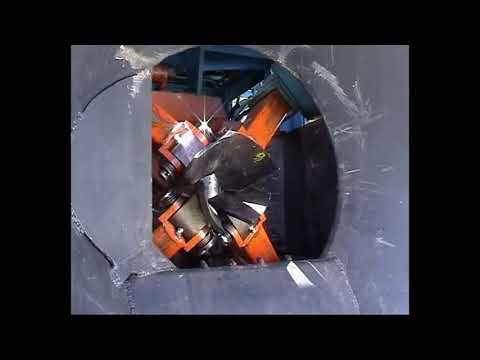
VAIMACA tree harvester

VAIMACA tree harvester

Aims

This machine was conceived to reduce the high operating costs of timber industry. The idea was to build something capable of fullfilling different tasks all at once, without the need of a single machine for each process.

In addition, having fewer machinery working in the woods contributes to reduce environmental impact and keep low emissions due to combustion engines.

VAIMACA, from wood to paper, cleaner and cheaper.
Imagen

One instead of many

Harvesting and processing trees for prosducing timber or pulp includes several procedures in which different machinery is required. Each one performs a different task, and therefore, woods are usually packed with machines coming in and out causing soil erosion and contributing with combustion emissions. Not to mention hihgh operating costs that all these workforce means.

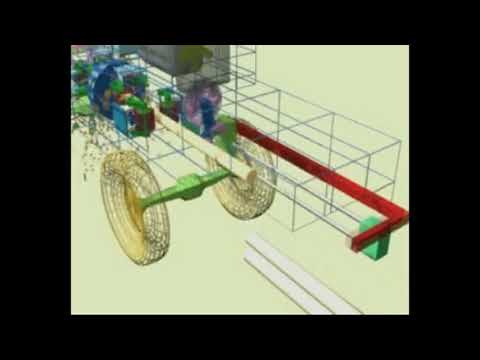
The idea was to combine all that machinery in one single piece, that could perform every task properly but that could also be run by a single worker without difficulty. Fewer machines working in the woods represent lower operating costs and a sereve reduction in erosion and air pollution.

Imagen Imagen

The cabin is the same used in crops harvesters, completely equiped for the workers needs allowing it to work for long hours without feeling patigued or dozy. It is also equiped with night lights, in case work is need to be done during night hours. In addition, all safety lights required by law are installed in the cabin and the outisde of the body.

As a distinctive quality from the rest of conventonial machinery, every moving part was thought and designed to work with hidraulic pressure, instead of usual systems such as pulleys and belts or gearing. This makes every system much resistant, eliminating future problems due to friction and wear. 

All in all, mechanics in the VAIMACA harvester were designed to be simple, tough and easy to perform maintainance tasks. Because of this, there is no need of sophisticated tools or workshops to do maintainance work , again contributing to keep low working costs.

Once the tree is cut, worker inside the machines grips it with a pair of hidraulic tweezers located in front of the cabin. After introducing it in the metal funnel that guides the tree, the rest of the work ist done by the machine itself.

  • TRIM

Hidraulic pistons push four curved blades next to the tree's bark. As the tree goes through the blades, all the branches are trimmed and fall to the ground on that spot.

  • PEELING 

The tree, now a branchless log, again is pulled through a rotor with peeling blades, which remove all the bark frmo the tree.

  • CUT

Two rotating cutting disks move with the tree. Once the desired length of the logs is reached, the disks come down simultaneously cutting the tree, and the they are pulled back to cut a new log.

The length can be adjusted from 2.40 m onwards.

Imagen